Otra conversación
Ten episodes, a guest who cancelled twice, and everything we learned recording a whole season with a minimal crew.
The second season took the podcast from episode 15 to 24. Ten conversations, two shoots outside the studio and several things that went wrong and almost never get told. This is the honest summary.
Scheduling is 80% of the work
Recording an hour costs an hour. Making that hour exist costs weeks. Coordinating the diary of a practising doctor, a lawyer in transfer season or a former MEP is by far the slowest part of the process.
The practical lesson: book the studio first and find the guest second. It works better than the other way round.
The guest who cancelled twice
One episode this season fell through twice for entirely legitimate reasons. The temptation was to fill the slot with anyone.
We did not, and the episode was recorded six weeks later. It is one of the best of the season. Lowering the bar to fill a calendar is the fastest way to break the promise you made to the listener.
Leaving the studio changes the conversation
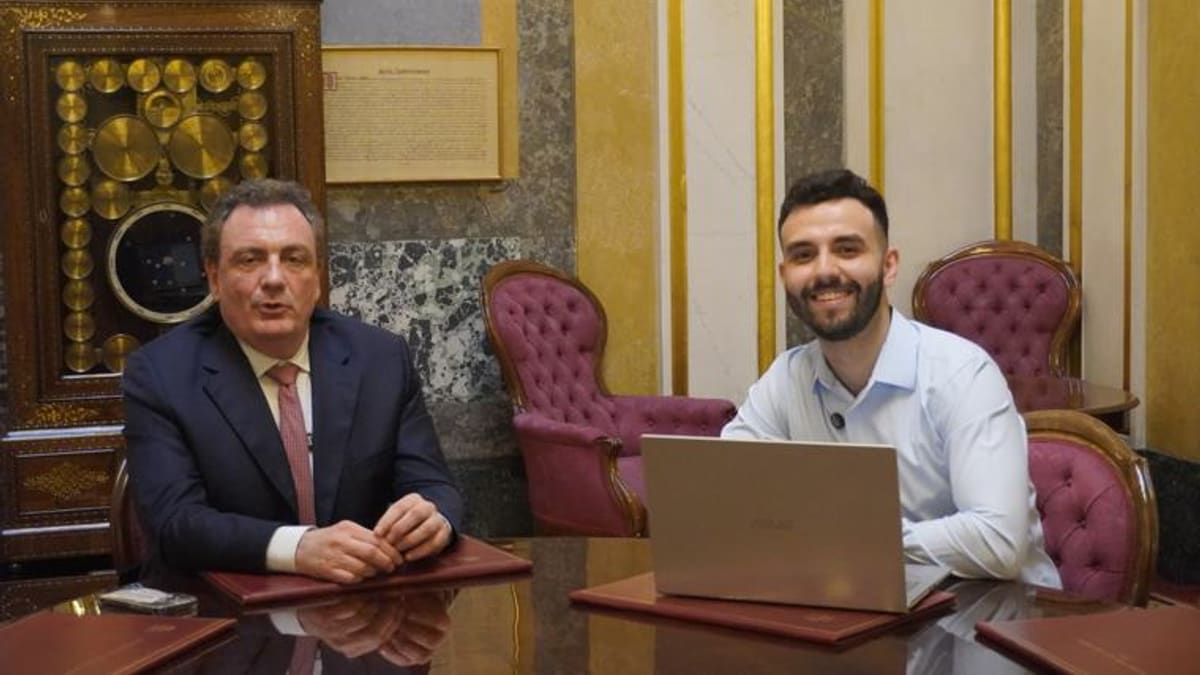
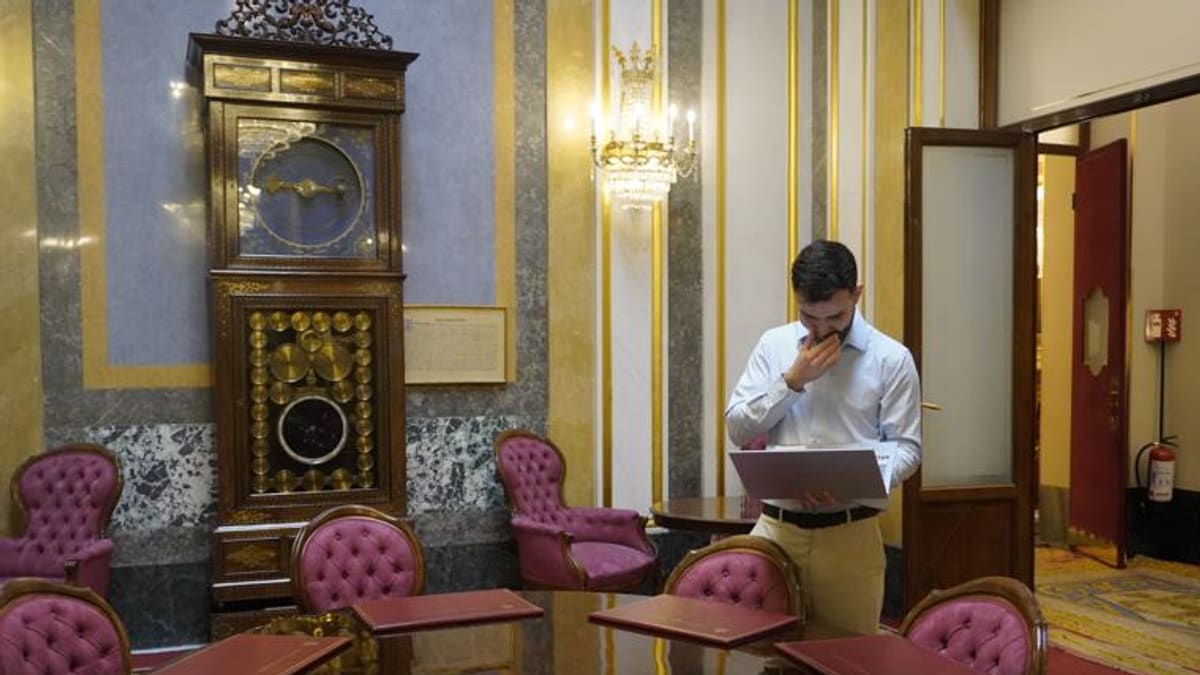
We recorded outside twice this season, once inside an institution. The sound is worse, the logistics are painful, and it is still worth it: context changes what people tell you.
People speak differently on their own ground. They perform less and explain better.
The technical things that cost more than expected
- The lighting in a borrowed room is never the lighting you saw on the site visit.
- Two good microphones beat four mediocre ones.
- Always record a backup track on a separate device. You rarely need it, and the day you do it saves the whole episode.
- Timestamps taken during the recording save hours in the edit.
What we changed for season three
Three concrete things. First, twenty minutes with each guest before recording instead of ten: you can hear the difference in the first quarter of the episode.
Second, preparing three questions specific to their trade that cannot be found on Google. Third, publishing every episode with its own page, notes and links, so it can be found years later. Which is exactly what you are reading.
Season three
It is recorded in Amsterdam and in English, around Dutch companies and the people who run them. Same format, same no-selling rule, another language and another market.
If you want to be told when the first episode lands, write to us. And if you have a story to tell, the chair is still open.